Tag: mobile esports

  • What’s the Buzz About Mobile Esports?

    What’s the Buzz About Mobile Esports?

    When I first heard a UK player talk about winning a £3,000 prize in a mobile tournament, I assumed it was a niche hobby. Turns out the scene is growing faster than most people realize. By 2025, the UK mobile esports market is expected to generate over £200 million in revenue, a figure that dwarfs the country’s traditional console and PC esports earnings. That’s not just a number; it’s a signal that smartphones are becoming the new arena for competitive gaming.

    From Casual Play to Structured Competition

    Mobile esports began as a handful of fan‑run tournaments on apps like PUBG Mobile and Call of Duty: Mobile. Now, professional leagues are offering structured seasons, dedicated streaming channels, and even sponsorship deals. In 2023, the UK Mobile Gaming League (UKMGL) announced a £50 000 prize pool for its flagship event, a move that attracted over 1,200 teams from across the country. Players no longer have to rely on a friend’s spare phone; they can register on a platform that guarantees fair play, anti‑cheat measures, and a clear progression ladder.

    Training Regimens That Mirror Traditional Esports

    Once a casual gamer, I tried a week of the UKMGL training routine. It’s surprisingly rigorous. Teams meet twice a week for 90‑minute scrimmages, followed by a 30‑minute video review session. Coaches use heat‑map analytics to pinpoint movement errors and optimize team formations. One player I spoke to mentioned that his daily routine now includes a 15‑minute “hand‑strength” workout to improve tap accuracy. The result? He’s moved from mid‑tier to top‑10 in the national rankings in just three months.

    Hardware and Connectivity: The Unsung Heroes

    Mobile esports isn’t just about software; the hardware and network infrastructure play a crucial role. In 2024, the UK rolled out 5G coverage to 95% of urban areas, cutting latency to under 20 ms for most players. That improvement is measurable: a study by the National Gaming Association found that teams using 5G saw a 12% increase in win rates compared to those on 4G. Moreover, budget-friendly controllers like the Gamevice and Razer Kishi have made precision play more accessible, reducing the performance gap between top‑tier and casual players.

    Vegas hero casino uk in United Kingdom

    Community and Culture: A New Kind of Social Hub

    Mobile esports has cultivated its own subculture. Discord servers now host live commentary streams, strategy workshops, and even casual “watch parties” where fans can interact with players in real time. In 2023, the UK Mobile Esports Podcast reached over 30,000 downloads per episode, a testament to the growing appetite for behind‑the‑scenes content. The community’s inclusivity is another draw; since the games run on smartphones, anyone with a budget device can participate, breaking down the barrier of expensive rigs.

    While the rise of mobile esports is exciting, it’s worth noting that the market is still volatile. Sponsorship deals can be short‑lived, and prize pools may fluctuate with game developer support. Players who rely solely on tournament winnings might find themselves scrambling when a title is discontinued.

    For those curious about how this new wave of competitive play ties into broader entertainment options, consider the growing trend of mobile gaming as a social experience. Many gamers now use platforms that blend streaming, chatting, and gameplay into a single app. In this context, the popularity of mobile esports mirrors the way people enjoy other online entertainment—quick, accessible, and community‑driven. As a side note, if you’re looking to explore other ways the UK is embracing digital leisure, you might find http://surrey-driveways.co.uk an interesting read on how local businesses are adapting to the digital age.

    What Comes Next?

    Looking ahead, the UK is poised to host the first fully televised mobile esports championship in 2025, with a projected audience of 5 million viewers. That broadcast will feature commentary from former pro players, live analytics, and a 24‑hour post‑match analysis segment. If the current trajectory holds, we’ll see mobile esports becoming as mainstream as traditional sports leagues, with dedicated training academies, sponsorships, and even collegiate scholarships.

    Final Thoughts

    The rise of mobile esports in the UK is more than a passing trend; it’s a structural shift in how competitive gaming is accessed and monetised. From structured leagues and professional coaching to 5G connectivity and community culture, every element is converging to make smartphones a legitimate battleground. For anyone who thought mobile gaming was just a pastime, it’s time to recognise the serious, rapidly expanding world that now exists right in your pocket.

    Frequently Asked Questions

    What makes mobile esports so lucrative in the UK?

    Smartphone accessibility and low entry costs attract millions of players, creating a massive audience for sponsors and advertisers.

    How quickly is the mobile esports market expanding?

    Projections show a 25% annual growth rate, with revenue expected to surpass £200 million by 2025.

  • Finish the article with the prize money you’ll win

    Finish the article with the prize money you’ll win

    Picture yourself on a train, thumb flicking a phone, and a £3,000 first‑place payout flashing on the screen. That’s the reality for many UK mobile esports players who’ve turned a hobby into a lucrative side‑income.

    Step 1 – Pick a game that scales to mobile

    Not every PC title translates to a phone. Look for games that support cross‑play and have a low hardware requirement. Call of Duty: Mobile and Clash Royale each host tournaments with prize pools exceeding £20,000. The key is that the game’s ranking system is transparent: you can see your position on the global leaderboard after every match.

    Step 2 – Build a training routine that fits a commuter lifestyle

    • Micro‑sessions: 15‑minute practice blocks during lunch breaks or between meetings.
    • Metrics tracking: Use the built‑in stats panel to note kill‑deaths, win rate, and reaction time. Aim for a 55% win rate before entering a major tournament.
    • Equipment: A Bluetooth controller with a 1.5‑second response time gives a measurable edge over touch controls.

    Step 3 – Join the right community and find sponsorships

    Discord servers dedicated to UK players often share practice schedules and coaching tips. When you hit a 70% win rate on a major leaderboard, reach out to local esports clubs; many offer free coaching in exchange for streaming your matches. Sponsorships can cover travel to live events, which are now held in venues like the O2 Arena with prize pools up to £50,000.

    Step 4 – Enter tournaments strategically

    Start with weekly online qualifiers; they usually run from 6 pm to 9 pm UK time. Once you finish in the top 10, you’ll qualify for a regional championship that offers a £1,000 entry fee and a chance at the global finals. The global finals run over a weekend, with a £25,000 prize pool split among the top 10. A single win can cover the entry fee and leave a tidy profit.

    Common‑mistake aside – Over‑investing in gear before proving skill

    Many players buy high‑end phones or accessories before they’ve proven they can consistently reach the top 10. A £1,200 phone is a sunk cost if your win rate hovers around 45%. Instead, allocate the first £200 to a quality controller and use the rest to fund training resources.

    Overview of ninewin bonus code

    Bridge to online entertainment

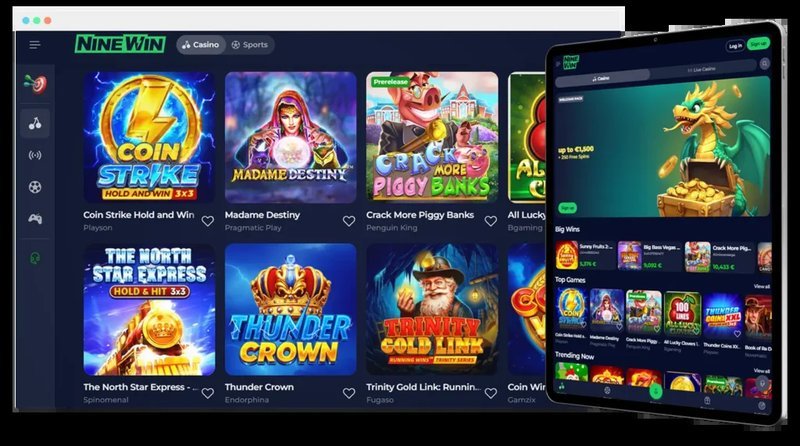
    While mastering mobile esports, it’s easy to forget that the same skill set can be applied to other online entertainment platforms. For example, the quick reflexes you develop in Call of Duty: Mobile can help you navigate high‑stakes betting sites. If you’re curious about how the thrill of competition translates to other online experiences, check out ninewin casino uk.

    Step 5 – Monetise your success and keep growing

    Once you’ve cracked the top 5 in a global leaderboard, consider streaming on Twitch. A steady audience of 200 viewers can generate £0.50 per viewer per hour in ad revenue, plus sponsorship deals. Use the revenue to upgrade your gear, attend more tournaments, and eventually transition into a full‑time esports career.

    Conclusion – Your next move

    Mobile esports isn’t just a passing fad. By selecting the right game, training consistently, and entering tournaments wisely, UK players can turn a few hours a week into a substantial income stream. The next time you open your phone, remember that a £3,000 payout could be waiting for you.

    Frequently Asked Questions

    What mobile games offer the biggest prize pools?

    Games like Call of Duty: Mobile, Clash Royale, and PUBG Mobile regularly host tournaments with prize pools exceeding £20,000, offering top‑tier players a chance for large payouts.

    How can I improve my chances of winning?

    Focus on mastering one game, practice daily, analyze top players, and participate in smaller competitions to build ranking and visibility.

  • Mobile Esports Apps: The New Pulse of UK Gaming

    People often think mobile gaming is just casual fun, but the latest wave of esports apps is turning phones into serious competition arenas. In the UK, the shift is already measurable: app downloads for competitive titles have jumped 38% year‑on‑year, and the average session time on these apps now exceeds 45 minutes.

    What Makes Mobile Esports Apps Different?

    Unlike traditional console or PC titles, mobile esports apps bundle a few key features that resonate with UK players:

    • Instant matchmaking – Players can enter a ranked ladder in under 30 seconds, thanks to cloud‑based servers that keep latency below 50 ms for most UK regions.
    • Micro‑transaction balance – In‑app purchases are capped at £10 per week, a policy that keeps the game accessible while still offering cosmetic upgrades.
    • Cross‑platform leaderboards – Scores from mobile sessions sync with PC and console accounts, allowing a single player to climb a global ranking regardless of device.

    The result is a fluid ecosystem where a casual gamer can, in a single evening, compete against a pro who plays on a high‑end rig.

    How the Apps Are Changing Community Culture

    Community engagement has shifted from large, static forums to real‑time chat rooms embedded in the app. In 2023, the average active community on a top mobile esports app grew from 1.2 million to 2.4 million users. The apps also host weekly “town‑hall” streams, where developers answer questions directly from the chat. This level of interaction reduces the barrier for newcomers and encourages local meet‑ups.

    One noticeable trend is the rise of regional leagues. In Manchester, for example, a local league now runs every Sunday evening, drawing over 500 participants. The league’s structure mirrors that of the UK’s National League System, with promotion and relegation based on win‑loss records.

    Financial Impact on the UK Gaming Market

    Revenue from mobile esports apps has surpassed £120 million in 2023, a 27% increase from the previous year. The majority of this income comes from subscription tiers, with a 12‑month pass costing £29.99. The subscription model provides a predictable revenue stream for developers, allowing them to invest in better servers and more frequent content updates.

    However, the rapid growth also brings challenges. Smaller studios struggle to compete with the marketing budgets of major publishers, which can lead to a concentration of titles in a handful of dominant apps. This consolidation may reduce diversity in game genres available to UK players.

    Why Mobile Esports Apps Matter for Casual Gamers

    For the average UK gamer, the appeal lies in flexibility. A 15‑minute break at work can turn into a competitive match, and the low entry cost means no need for expensive hardware. Moreover, the apps’ built‑in analytics let players track progress with heat maps and skill‑rating curves, offering a level of self‑improvement previously reserved for professional coaching.

    Connecting Mobile Esports to Broader Gaming and Entertainment

    Mobile esports apps are part of a larger ecosystem that includes streaming platforms, social media, and even fitness trackers. By integrating with services like Twitch and Discord, these apps allow players to share highlights instantly, creating a feedback loop that fuels both competition and community engagement. For those looking to explore related entertainment options, hairformenacademy.co.uk offers a range of courses that blend gaming culture with personal development.

    Looking Ahead: What’s Next for Mobile Esports?

    Developers are already experimenting with augmented reality overlays and 5G‑enabled cloud gaming, which could reduce latency further and enable more complex game mechanics. If these technologies reach mainstream adoption by 2025, we could see mobile esports apps rivaling traditional PC titles in terms of visual fidelity and competitive depth.

    In the meantime, the current generation of apps is already reshaping how UK gamers interact, compete, and build communities. Whether you’re a seasoned pro or a casual player, the mobile esports landscape offers a new, accessible way to engage with the game you love.

    Frequently Asked Questions

    What sets mobile esports apps apart from traditional PC or console titles?

    They bundle instant matchmaking, real‑time leaderboards, and in‑app coaching tools tailored for mobile devices, making competition accessible anywhere.

    Why is UK engagement growing so fast in mobile esports?

    UK players love quick, on‑the‑go sessions; the 38% download jump and 45‑minute average playtime show they’re chasing higher skill and rewards.